Anúncios
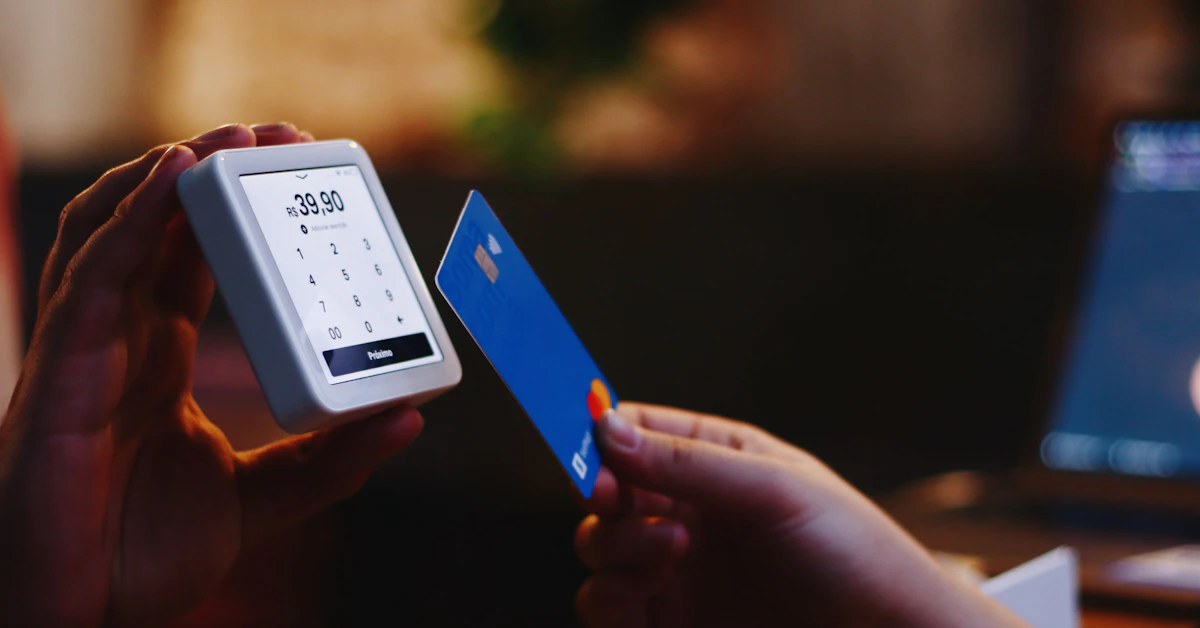
Consumers often spend more when they swipe, tap, or use tap-to-pay than when they pay with cash.
Behavioral economics shows higher average transaction sizes and more frequent purchases in cashless spending settings.
Anúncios
Studies on credit card spending say the emotional cost of paying feels lower with plastic or digital wallets.
This lower feeling helps explain rising household spending and changing spending habits in the United States.
Credit-card use is high in the U.S., with networks like Visa, Mastercard, and American Express.
Digital wallets like Apple Pay and Google Pay make purchases easy and smooth.
This convenience increases effects seen in financial psychology: less “pain of paying,” looser mental accounting, and more buying now with worry later.
These factors shape daily choices, from grocery trips to online subscriptions.
This article blends research from financial psychology and consumer behavior with personal finance tips.
You will find a clear explanation of why people spend more with credit cards.
It looks at card features and cashless systems that encourage overspending.
It also offers practical tactics to help you regain control of your spending habits.
why spend more with credit cards
Many readers ask: do people actually pay more with cards than cash? How large is the gap? When does it widen? Research often shows larger average purchases and higher monthly totals on card accounts versus cash spending. This pattern appears across groceries, dining, and online shopping.
Overview of the main question
The core query breaks into three parts: measurement, context, and drivers. Measurement compares ticket size and total outlays. Context looks at settings such as in-store versus e-commerce. Drivers point to psychological and structural forces that make cards feel easier to use and harder to track.
How the phrase ties into consumer search intent
Searchers want causes, consequences, and remedies. Some seek explanations from the psychology of spending. Others want to limit debt and avoid overspending on credit cards. Many users choose between payment methods, evaluate cards with rewards, or seek budgeting tools to control card balances.
Preview of psychological and behavioral explanations
Later sections unpack mechanisms from behavioral economics. Expect discussions on the pain of paying and delayed emotional impact of card bills. Mental accounting and loss aversion explain why rewards, subscription convenience, and one-click checkout change consumer behavior.
- Pain of paying: less immediate with credit, raising willingness to spend.
- Reward incentives: points and cashback can nudge larger purchases.
- Frictionless checkout: one-click and digital wallets shorten decision time.
Subsequent sections will give data-backed examples and everyday scenarios, from grocery runs to streaming subscriptions. They will also provide practical tips to curb overspending and align spending with long-term goals.
The psychology of spending and the pain of paying
The way people feel about parting with money shapes real behavior at checkout. Research in behavioral economics calls this emotional reaction the pain of paying.
That reaction can be strong when you hand over physical cash. It can be muted when you swipe a card or tap a phone. Understanding that shift helps explain changes in spending habits.
Explaining the pain of paying concept
The pain of paying is an immediate feeling tied to losing resources. Studies show physical cash makes purchases feel more real and final. When a dollar bill changes hands, the loss registers clearer in the mind.
This strong feeling nudges shoppers to pause or reduce discretionary buys. It shapes longer-term spending habits.
Emotional distance created by credit versus cash
Credit cards, digital wallets, and delayed billing create a buffer between purchase and consequence. That gap lowers the emotional intensity of payment.
Experiments where participants paid with cash, card, or app show consistent differences in willingness to spend. Invisible transactions make cost less clear and blur the link between choice and expense.
How reduced pain leads to increased willingness to spend
When payment pain fades, the brain focuses more on benefits than cost. Neuroeconomic research finds reward centers respond to buying cues while payment discomfort weakens.
The result is a higher chance of choosing larger items, impulse add-ons, or premium upgrades. Cards can obscure budget categories and make funds feel interchangeable.
Concrete examples highlight the shift. Online checkouts make prices feel abstract. Hotel or rental holds separate perceived cost from final payment.
“Buy now, pay later” offers push that separation further. This reduces instant negative feelings and encourages purchases that might not happen with cash.
How cashless spending and credit card features encourage overspending
Credit cards and digital payments change how people buy. Rewards, recurring charges, and one-click checkouts reduce friction. These features make impulse buying more likely.
Role of rewards, points, and sign-up offers
Cashback, miles, and points act like instant positive feedback. When Chase or American Express highlight bonus categories, shoppers feel rewarded for spending more. Sign-up bonuses encourage meeting minimum spends, which can push routine purchases into larger, unnecessary buys.
Subscription models and recurring charges made easier by cards
Credit cards streamline automatic renewals for streaming, software, and meal deliveries. This ease leads to subscription creep: small fees pile up unnoticed. Card portals and bank alerts list stored subscriptions, helping users spot recurring charges.
One-click payments, digital wallets, and frictionless checkout
Saved card details, Amazon 1-Click, Apple Pay, and PayPal remove pause points. Research shows fewer checkout steps raise conversion rates and increase basket sizes. Smooth checkout flows nudge more impulse buying.
Merchants use behavioral design to amplify effects. Anchoring, bundling, and default opt-ins encourage larger orders. Co-branded promotions tie issuers and retailers, so cardholders see targeted deals that shape spending behavior and justify extra buys.
To act on this, consumers need to scan statements regularly, enable merchant alerts, and review stored payment methods. These steps clarify how cashless spending and card features affect budgets.
Consumer behavior, impulse buying, and mindful spending strategies
Credit cards change how people make decisions in the moment. Rewards, convenience, and stored payment details lower the mental cost of purchases. The short passages below outline common patterns and triggers that lead to impulse buying.
They also show steps to curb overspending on credit cards. Everyday tools for more mindful spending are included as well.
Typical credit card spending behavior patterns
- Reward-chasers increase discretionary buys to earn points or cash back. This can raise balances and push accounts toward revolving debt.
- Autopay and subscription users forget recurring charges until a statement arrives. This increases monthly outflows without immediate pain.
- Impulse shoppers rely on one-click checkout and saved cards. Small purchases add up when reviewed only monthly.
Common triggers for impulse buying in a cashless environment
- Personalized marketing and retargeted ads create urgency and make offers feel tailored to each user.
- Scarcity messages like “limited stock” or flash sales push fast decisions during late-night browsing on mobile devices.
- Saved payment methods and autofill reduce friction, turning intent into instant transactions.
- Social proof from reviews and emotional states such as stress or boredom amplify urges to click “buy.”
- Push notifications from apps pair with stored cards to prompt immediate purchases with minimal reflection.
Practical tactics to reduce overspending with cards
- Use debit or cash for discretionary spending to restore the feeling of payment. This limits funds for impulse buys.
- Set spending limits and alerts in issuer apps. These flag activity that deviates from normal spending.
- Remove saved payment methods, turn off autofill, or freeze cards when tempted by frequent purchases.
- Keep a single-purpose card for subscriptions and another for everyday use. Make nonessential buys wait 24 hours.
- Automate transfers to savings so less credit is available for unnecessary charges.
Tools and habits for more mindful spending and budgeting
- Try apps such as Mint, YNAB, and Credit Karma to track balances, set budgets, and monitor credit health.
- Use issuer budgeting features and digital wallet controls to limit where a card can be used.
- Review statements weekly, unsubscribe from promotional emails, and track the ROI on rewards. Check if points justify higher spend.
- Use card features responsibly. Take advantage of 0% APR offers for planned large purchases and pay full balances each month.
- Adopt behavioral nudges like cooling-off lists, accountability partners, and rules such as “no new subscriptions for 30 days.”
Making costs more visible reduces reckless consumer behavior. Instant transaction notifications and spending logs increase awareness. Envelope-style budgeting apps support long-term, mindful spending habits.
Conclusion
The evidence shows that reduced pain of paying, reward structures, and frictionless checkout explain why people spend more with credit cards. Research in financial psychology links emotional distance, loyalty programs, and one-click payments to bigger average ticket sizes.
These forces make cashless spending feel easier, but they nudge purchases that might not happen with cash in hand.
Take action with mindful spending tactics to keep rewards without overspending. Use budgeting tools and card alerts. Remove saved payment methods for discretionary sites and aim to pay the full balance each month.
Simple habits—tracking recurring charges through issuer portals and assigning a spending plan for entertainment or dining—help turn financial psychology insights into control.
For readers in the United States, start by auditing subscriptions, setting real-time alerts, and testing cash or debit for nonessential categories. This preserves credit benefits while reducing impulse buys caused by cashless spending.
This wrap-up gives a clear answer why people spend more with credit cards. It also offers practical steps for healthier habits and better financial outcomes.
Conteúdo criado com auxílio de Inteligência Artificial